Endoscopic Surgery
A short guide to laparoscopic and hysteroscopic approaches in endoscopic surgery.
Endoscopic Surgery Can Offer a Less Invasive Gynaecological Approach for Suitable Patients.
Laparoscopy and hysteroscopy are endoscopic techniques selected after considering the diagnosis, characteristics of the condition, previous operations, pregnancy plans and overall health.
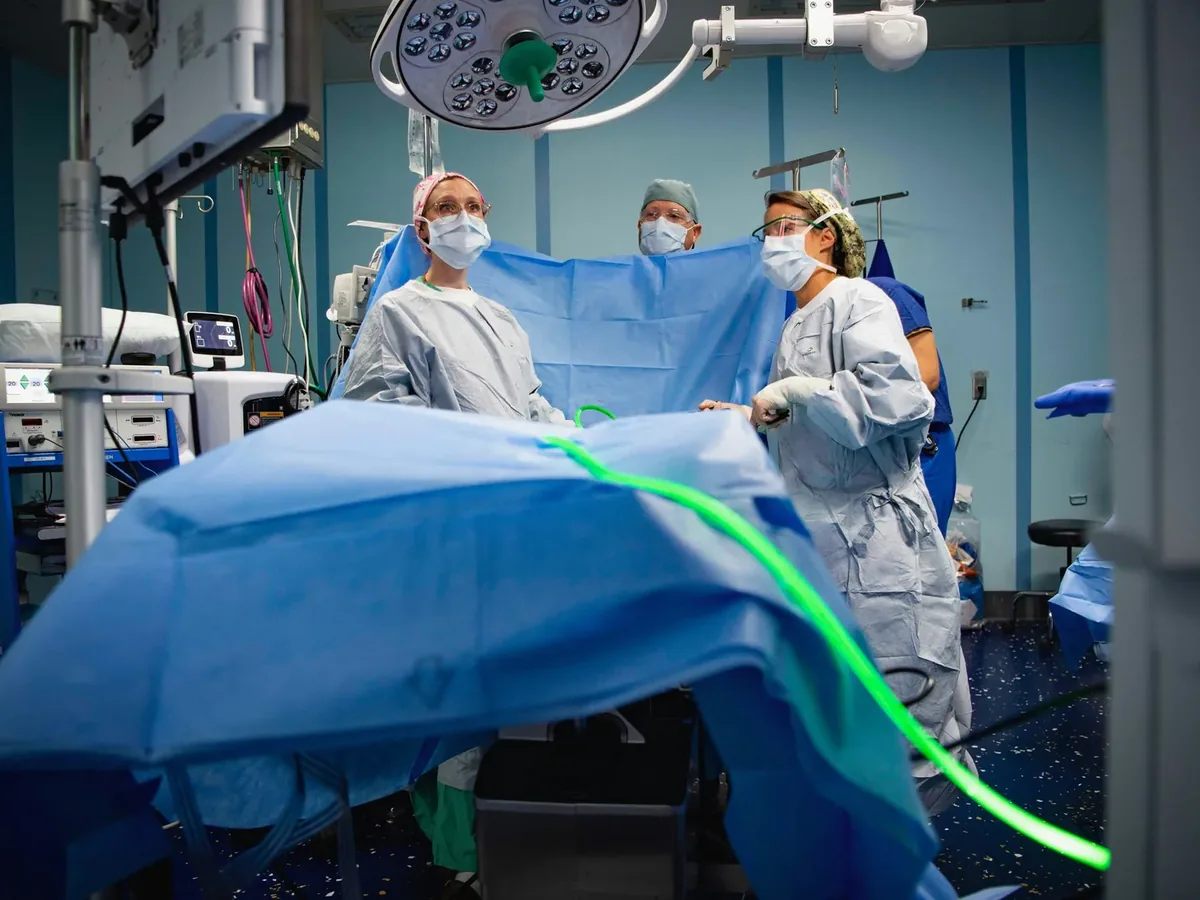
+
Laparoscopy and Hysteroscopy Are Two Different Approaches for Different Anatomical Areas.
Laparoscopy allows assessment of structures within the abdomen and pelvis, while hysteroscopy is used to assess the inside of the uterus.
Hysteroscopy uses a thin camera passed through the cervix. Laparoscopy uses a camera and surgical instruments introduced through small abdominal incisions to assess structures within the pelvis.

When May Endoscopic Surgery Be Considered?
Endometrial Polyps
Hysteroscopic assessment and treatment may be planned in suitable cases.
Submucosal Fibroids
A hysteroscopic approach may be considered for some fibroids that protrude into the uterine cavity.
Intrauterine Adhesions
Hysteroscopy may be used in the diagnosis and treatment of certain adhesions within the uterine cavity.
Endometriosis
Laparoscopic assessment and surgical treatment may be planned for appropriate patients.
Ovarian Cysts
A laparoscopic approach may be considered for selected cysts when surgery is indicated.
Pelvic Pain
Surgical assessment may occasionally be required for pelvic pain that remains unexplained after appropriate evaluation.

Examination, Imaging and Clinical Need Are Considered Together.
An imaging finding alone does not mean that surgery is required. The decision should take symptoms, the characteristics of the finding, age, pregnancy plans and alternative options into account.
The Surgical Plan Is Clarified Through Four Key Questions.
Why?
It is clarified whether surgery is planned for diagnostic or therapeutic purposes.
Which Method?
The clinical suitability of laparoscopy or hysteroscopy is assessed.
When?
Symptoms, the nature of the finding and individual plans are included in timing decisions.
What Comes Next?
Follow-up, pathology review or the need for further treatment is discussed in advance.

The Aim of Surgery Is to Plan the Necessary Intervention for the Right Patient Using the Right Method.
In endoscopic surgery, appropriate patient selection, clear assessment of surgical necessity and consideration of reproductive plans are important parts of decision-making.
Let’s Review Your Existing Test Results Together.
If you have ultrasound, MRI, pathology or previous operation reports, bring them to your consultation so the need for surgery and available options can be reviewed.
Does every gynaecological finding require surgery?
No. The need for surgery is assessed together with symptoms, the characteristics of the finding, age, pregnancy plans and alternative options.
Are laparoscopy and hysteroscopy the same procedure?
No. Laparoscopy is used to assess structures in the abdomen and pelvis, while hysteroscopy is used to assess the inside of the uterus.
Should I bring previous imaging and operation reports?
Yes. Previous ultrasound, MRI, operation and pathology records can help with planning.